How to Start an Online Business with Low Investment

How to Start an Online Business with Low Investment

Starting an Low Investment Online business has become one of the most affordable ways to make money and also to move toward financial independence. Compared with the usual brick-and-mortar type of business, which often wants a bunch of money up front, for things like rent, inventory and staff, an online venture can usually be started with very little to spend. And since the internet exists, entrepreneurs can reach customers across the entire world, give out products or services, and then build a profitable business from the comfort of home, kind of steadily.

So if you want to start an online business but your budget is limited, this guide will take you through the key steps you need to get going.
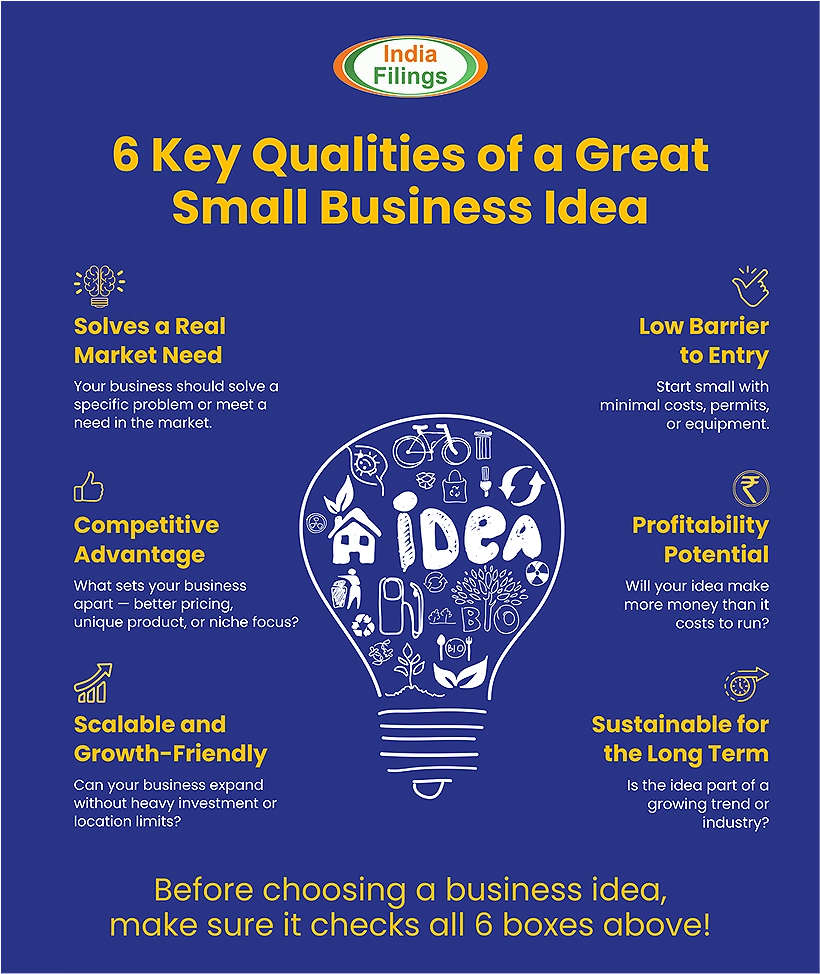
Emphasizes being scalable and growth-friendly for future business expansion

1. Choose a Profitable Business Idea

First step: picking a business idea that sort of matches your skills, your interests, and also the market demand. You can browse low-investment online business ideas like freelancing (writing, graphic design, or web development) or blogging; it can grow slowly but steadily, you know. Also, affiliate marketing, social media management, and online tutoring—these are pretty common, but they can still work if you stay consistent.

After that, there’s dropshipping, print-on-demand products, digital product sales, and virtual assistant services too, though the “angle” really matters here. Try to select a niche where there is enough demand and where there are clear openings for expansion, not just short-term buzz or attention.

2. Conduct Market Research

Before you launch your business, I think it’s kind of important to get a feel for your target audience and your competitors. Like, you wanna understand them, not just on paper or in some tidy spreadsheet. Research really helps you spot what people actually need, what market trends are doing, and also where there are openings or these kinds of blank spaces your business can step into quietly.

Try asking yourself, kind of honestly, even if the answers are a little awkward:

Who are my best-fit customers, really?
What problems can I realistically handle for them?
What are my competitors providing day to day?
How do I deliver more value for the money and not just “say” it and move on?

You can use things like Google Trends, plus social media platforms and online forums, to collect these market signals that are actually useful, not just noise.

3. Create a Business Plan

A low-investment online business plan kind of gives you a route and also keeps you from drifting away from your core goals, you know. Honestly, it doesn’t have to be all that complicated either. A simple business plan, most of the time, only needs a few key pieces, like:

– Business objectives
– Target audience
– Products or services
– Marketing strategy
– Revenue model
– Budget and expenses

Once you have something clear to steer by, your chances of success go up. And on top of that, it makes it easier to choose the right moves instead of just guessing, step by step, day after day.

4. Build Your Online Presence

Your online presence kind of acts like the base, or the backbone, of your business. Depending on the style of business model you use , you can set up a website or a blog, some social profiles, an online store, or even a professional portfolio, kind of like a business card but on the internet.

Using platforms like WordPress, Shopify, and other website builders makes it easier to put together a site that looks professional without needing too much advanced technical know-how. In other words, it’s fewer headaches and more momentum.

Basically, a website helps you build credibility, and it also lets possible customers figure out more about what you sell or the services you provide.
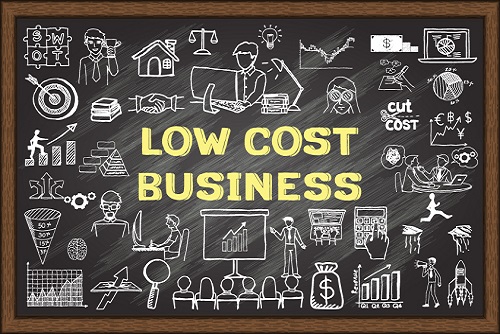
Concludes with a message encouraging entrepreneurs to select a business idea that meets all six key criteria.

5. Use Free and Low-Cost Tools

One of the biggest advantages of starting an online business today is that there are affordable tools around, like you know. A lot of platforms have free plans, and they are kind of ideal for beginners who are still figuring things out in a very casual way.

Some useful tools would be something like

Canva for graphic design
Google Workspace for everyday productivity
WordPress for building your site
Trello for project management stuff
Mailchimp, or Brevo for email marketing
Zoom for live online meetings

If you end up using these tools, you can reduce startup costs without losing all of that professional feel, honestly, and it still looks legit.

6. Focus on Content Marketing

Content marketing is, kind of, one of the most cost-effective routes to pull in customers. If you keep putting out helpful content , you can sort of quietly set yourself up as an expert and build confidence with your audience even if it’s not instant or “right now”.

Some common types of content are, for instance:

Blog posts
Videos
Social media updates
Infographics
Email newsletters

If your content actually works by solving real problems or it answers the usual questions, people are more likely to engage with your business and later turn into customers.

7. Leverage Social Media

Social media platforms kind of give you free access to, basically, a huge pile of potential customers. Stuff like Facebook, Instagram, LinkedIn, X, and Pinterest can help you get the word out about your business without throwing a tonne of money into ads or paid promotions.

A few tips if you want this to actually work and not just “show up”:

– Post consistently, even if it’s only small updates
– Share useful, and practical information
– Talk with your followers and respond; don’t just let conversations sit there
– Use hashtags that match what you’re posting
– Jump into online communities where your audience already hangs out

When you build a lively social media presence, it can boost brand awareness quite a lot and also help customers interact with you back.

8. Start with a Small Budget

A lot of entrepreneurs end up doing that same move, blowing through way too much cash right at the very beginning; it sort of feels like everything is urgent. But rather than rushing in, try starting small and only pushing money into what’s truly needed, the really necessary spots.

Do pay attention to stuff like website hosting, domain registration, basic marketing, and the basic or necessary software tools.

After that, once your business is actually taking off and you can see revenue coming in, you can gradually drop more investment toward advanced tools, heavier advertising, and other extra services.

9. Offer Excellent Customer Service

Customer satisfaction kind of really matters, a lot, for the success of any Low Investment  online business. When people feel good about how things went, they’re usually more likely to purchase again and they might also recommend your brand to other folks too

If you want to provide great customer service, try something like this, rather than overthinking it:

– Reply to questions quickly, even when they come in a bit messy
– Keep a professional tone, yet still be warm and approachable
– Solve the issue in an efficient manner, without dragging it out
– Check back with customers after it’s resolved, just to be sure everything is alright

In general, positive customer interactions can help you build a strong reputation and back long-term growth that feels steadier, instead of up and down

10. Monitor and Improve Performance

Successful business owners don’t really sit still; they’re quietly scanning and then nudging their plan here and there. They keep watch on the main signals, like:

Website traffic, sales performance
Conversion rates
Social media engagement
Customer feedback

If you check these things on a steady basis, you’ll start to see what’s landing and what’s kind of drifting, and then you can make the next round better. Even small refinements, done consistently, can stack up into noticeably more momentum over time.

Conclusion

Starting an online business with low investment is more achievable than ever before. If you go for a solid business idea, do careful planning, and use digital tools the right way, almost anyone can build a thriving online venture without having to spend a huge amount of money. Just keep your focus on what customers really need, craft useful content, and make good use of social media, then keep tweaking your approach as you learn. Over time, this could turn into a profitable setup and also create long-term chances for consistent growth and success.

Read More
kabir June 2, 2026 0 Comments

How Artificial Intelligence Is Changing Everyday Life

How Artificial Intelligence Is Changing Everyday Life

Artificial intelligence (AI) is not some futuristic idea seen in science fiction movies. Today, AI is a part of our everyday lives, helping people get their work done faster, make better decisions, and have more tailored experiences. AI is changing how we live, work and interact with technology — from smartphones and smart home devices to online shopping and healthcare. Artificial Intelligence in Everyday Life


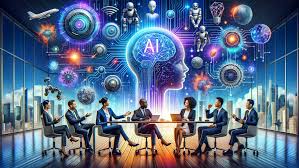
Futuristic AI robot surrounded by digital technology and artificial intelligence icons


What Is Artificial Intelligence?

Artificial intelligence is the ability of machines and computer systems to perform tasks that usually require human intelligence. They are learning from data, pattern recognition, language understanding, problem-solving and decision-making. AI technologies are based on algorithms and large data sets that allow them to improve their performance over time.

A lot of people use AI on a daily basis without realising it. We now expect to encounter artificial intelligence (AI) technologies, such as virtual assistants, recommendation engines, navigation apps, and customer service chatbots.

AI in Smartphones and Personal Devices

One of the most common places AI is used is on smartphones. Voice assistants like Siri and Google Assistant allow users to set reminders, send messages, look up information online, and control smart devices—all with a simple voice command. AI also enhances the cameras in smartphones, automatically adjusting settings, recognising faces and improving image quality.

Predictive text and autocorrect AI can learn how you write and suggest the right words or fix your mistakes. These features help millions of users worldwide save time and communicate more easily.

Smarter Online Shopping Experiences

AI has changed the way people shop online. E-commerce sites use AI algorithms to study customer behaviour, preferences and purchasing history. They suggest, therefore, products that users are more likely to buy.

For example, if you are browsing products in an online shop, the AI will remember your interests and make personalised recommendations for you. This makes shopping more convenient and helps customers find products that meet their needs. AI chatbots also help shoppers with questions, product info and tracking orders.

AI in Transportation and Navigation

Today’s transport systems are using AI basically everywhere. For instance, apps like Google Maps lean on AI to look at traffic flow, road closures and travel patterns in real time, which helps people figure out the quickest path. You can then avoid the usual traffic jam situations, even if things change mid-journey.

In a similar way, ride-sharing services use AI to match riders with drivers, guess arrival timing and refine the travel path. Beyond that, AI is also heavily involved in the whole self-driving vehicles push; these machines could end up boosting road safety while also reducing mistakes caused by people, or well … at least that is the hope.

Transforming Healthcare Services

Healthcare is one of those industries that seems to gain the most from AI tech, somehow. AI systems can examine medical data, assist doctors with diagnosing diseases, and even propose treatment alternatives, so at the end it helps healthcare staff make decisions that are more precise and also more on time.

Wearable devices, like fitness trackers and smartwatches, rely on AI to keep an eye on heart rate, sleep patterns, physical activity, and overall wellness too. In a way these gadgets nudge folks toward healthier routines and keep users informed about their well-being constantly.

AI also backs medical research because it can comb through huge datasets and single out repeat signals that might help scientists design new therapies and medicines in a more efficient manner.


AI-powered technology illustration showing machine learning and automation concepts


Personalized Entertainment and Media

The entertainment industry kind of leans on AI to give people more tailored experiences, not in a static way, more like it learns as you go. Streaming services then point you toward movies, TV series, and songs based on how you watch and what you listen to, and it ends up feeling less like going on a scavenger hunt through thousands of options. Rather than searching and comparing for ages, you get suggestions that line up with your tastes in a pretty straight, if a little uncanny, way.

Also, social media platforms lean heavily on AI to sort of shape the news feed, come up with content ideas, and generally nudge engagement upward. Artificial intelligence in everyday life, helps people surface what’s actually relevant, but at the same time it enables companies to push more focused material, including ads that feel oddly targeted.

Smart Homes and Daily Convenience

Smart home tech has been getting more and more popular, mostly because AI sort of learns what people want, or at least it tries. You know, stuff like smart speakers, thermostat controls, lighting arrangements, and even security cameras can track habits and then handle everyday routines for you, pretty much in the background.

Like, for example, a smart thermostat can nudge the room temperature based on the daily timetable it learns over time, while an AI-enabled security system can catch unusual behaviour and then send a quick ping to homeowners right away. Overall, these tools usually improve comfort and make life easier, and they can also help with energy efficiency without you needing to stand over everything all the time.

AI in Education

Education is still one more area where AI is really making waves, and honestly it feels like it keeps getting larger and larger. With AI-powered learning platforms, the content can be adapted, kind of personalised, based on a student’s learning preference along with where they are in their progress. So the students can move at their own pace and get help where they need the most refinement, not only those generic lessons that are basically for everyone.

There are also virtual tutors, along with intelligent educational tools that provide instant feedback. That part makes it easier for students to lock in on the concepts more clearly, sometimes right away, not after a long delay. And on top of that, teachers can lean on AI to handle administrative busywork, and as a result they end up with more time to teach, even if they still remain the guide in the classroom.


Digital artificial intelligence ecosystem with AI robot and technology network

Challenges and Concerns

Despite its many benefits, AI also brings some headaches, kind of a mixed bag. Privacy and data security are big deal concerns because AI systems often depend on enormous amounts of personal information, and sometimes it feels unclear who is actually looking at what or where that data ends up. There are also worries about job displacement since automation keeps swapping out certain repetitive tasks, and in some areas that transition is pretty fast as well.

Plus, ensuring AI systems are fair, transparent, and rid of bias is an ongoing skirmish. It’s not really a one-time fix, because there’s always that chance of concealed patterns sneaking in. Governments, organisations, and technology experts are working side by side, trying to craft ethical guidelines and even regulations for responsible AI usage so the whole thing doesn’t go off the rails and nobody gets caught off guard later.

The Future of AI

Artificial intelligence is going to keep moving forward and kind of get tangled even more into day-to-day life, like it’s already doing now. In the future, AI applications might improve healthcare, education, commuting, conversations, and also a whole lot of other sectors. As the tech keeps advancing, AI is also likely to create brand-new opportunities while also helping to untangle complicated global issues. Artificial intelligence (AI) is not some futuristic idea seen in science fiction movies. Today, AI is a part of our everyday lives, helping people get their work done faster, make better decisions, and have more tailored experiences.Artificial Intelligence in Everyday Life

Conclusion

Artificial intelligence is sort of reshaping everyday life in ways that were not so long ago imaginable—just a few decades earlier. It assists people with navigating traffic, shopping online, monitoring health, picking up new skills, or even unwinding with tailored entertainment. In a way AI has become part of the daily routine for the modern world, and honestly it feels normal now. Sure, there are still some hurdles, but the bright sides of AI are hard to ignore. If society uses AI responsibly, with ethics kept front and centre, then we can keep gaining from it and drift toward a smarter, more efficient future.

Read More
kabir June 1, 2026 0 Comments

How to Make Money Using ChatGPT in 2026

How to Make Money Using ChatGPT in 2026

People in the present digital era have access to multiple artificial intelligence systems. As a result, it has become easier than ever to earn money online with AI. Among these tools, ChatGPT stands out as one of the most effective platforms driving this transformation. In fact, it helps students, freelancers, and anyone looking for extra income discover multiple ways to earn without requiring advanced technical skills or significant financial investment.

In this blog, therefore, we will explore practical and beginner-friendly methods to earn money online with AI using ChatGPT in 2026.earn money online wth ai- how to earn money

1. Content Writing and Blogging

To begin with, the easiest way to earn money through ChatGPT is by creating written content. The platform enables users to produce blog posts, articles, product descriptions, and website content in an efficient manner.

To get started:

First, create your own blog or website
Next, offer content writing services on freelancing platforms
Then, write SEO-friendly articles for clients

As a result, you can earn money through:

Google AdSense
Affiliate marketing
Sponsored posts

Moreover, ChatGPT helps you save time by generating ideas, outlines, and complete articles within minutes.

2. Freelancing Services

Similarly, freelancing is one of the most popular ways to earn online, and ChatGPT makes it even easier. You can offer services such as:

Copywriting
Email writing
Resume building
Script writing
Social media captions

To find work, you can use platforms like Fiverr, Upwork, and Freelancer.

In addition, ChatGPT enables you to work faster. Consequently, you can handle more clients and increase your overall earnings.

3. YouTube Automation

Another effective method is YouTube automation. Interestingly, you don’t need to show your face to earn money on YouTube. ChatGPT can help generate scripts for:

Motivation
Education
Finance
Facts and storytelling

The process is simple:

First, generate scripts using ChatGPT
Then, convert scripts into voice using AI tools
Finally, add stock footage and upload videos

As a result, you can earn through:

YouTube ads
Sponsorships
Affiliate links

4. Affiliate Marketing

Furthermore, affiliate marketing is a powerful way to create passive income. In this method, you earn commissions by promoting products.

Here’s how ChatGPT helps:

Writing product reviews
Creating blog content
Generating email campaigns
Providing social media promotion ideas

For example, you can promote products from Amazon, ClickBank, and other affiliate networks.

earn money online with AI-affiliate marketing

5. Selling Digital Products

In addition to that, selling digital products is another excellent income source. ChatGPT can help you create:

E-books
Online courses
Study notes
Templates (resume, business plans, etc.)

To proceed:

First, choose a niche
Then, create content using ChatGPT
Finally, sell it on platforms like Gumroad or your own website

Consequently, digital products can generate passive income with minimal ongoing effort.

6. Social Media Management

Meanwhile, businesses constantly need help managing their social media. ChatGPT allows you to:

Create content calendars
Write captions
Generate hashtags
Draft replies to comments

Therefore, this skill is in high demand, and you can charge monthly fees from clients.

earn money online with AI-social media management

7. Online Tutoring and Education

Likewise, if you are good at any subject, you can use ChatGPT for educational purposes. It helps in:

Creating notes
Explaining concepts
Generating practice questions
Designing quizzes

As a result, you can either teach students online or sell educational resources.

8. Starting a Niche Website

Finally, starting a niche website is a long-term strategy. You can use ChatGPT to create content consistently.

To monetize, you can use:

Ads
Affiliate marketing
Sponsored content

Over time, this can become a stable source of passive income.

Important Tips for Success

However, do not rely entirely on AI—always add your personal touch
Instead of quantity, focus on quality content
Additionally, learn basic SEO to improve rankings
Moreover, stay updated with trends and tools
Above all, be consistent and patient

Conclusion

In conclusion, you should start with simple methods and gradually improve your skills. Over time, ChatGPT can become a powerful tool for building multiple income streams.

So, start today, experiment with different methods, and find what works best for you. Ultimately, the future of earning is digital, and ChatGPT is one of the best tools to succeed in this journey.


Read More
kabir April 3, 2026 0 Comments

Top Career Options After 12th in digital marketing

Top Career Options After 12th in digital marketing

Business operations have experienced a total transformation because of the current digital era. From small startups to international corporations, every business now requires an online presence to expand its customer base. This rapid growth has created a critical demand for professionals who possess digital marketing expertise. The best part is that students from Science, Commerce, and Arts can start a digital marketing career right after completing their 12th grade.Top Digital Marketing Careers After 12th,

If you are looking for Top Digital Marketing Careers After 12th, this field provides an ideal opportunity for those who seek creative work, flexible hours, and high earning potential. In this blog, we will explore the most popular digital marketing career paths that students can pursue after completing their 12th grade education.

What is Digital Marketing?

Digital marketing combines product and service promotion through online platforms which include search engines and social media and websites and emails and mobile applications. The field requires skill assessment because your practical experience and knowledge of the field mater more than your academic credentials.

digital marketing image

Why Choose Digital Marketing After 12th?

Digital marketing refers to promoting products or services through online platforms that include search engines and social media and websites and emails and mobile applications. The field requires specific skills because actual knowledge and work experience become more valuable than any academic qualification.

Top Career Options in Digital Marketing

1. SEO Specialist (Search Engine Optimization)

SEO specialists help websites rank higher on search engines like Google. Their main job is to increase website traffic organically.

Skills Required:

Keyword research
On-page and off-page SEO
Content optimization

Career Scope: Agencies and companies currently need this position at high levels.

2. Social Media Manager

Social media managers handle Instagram Facebook and LinkedIn platforms because those platforms require dedicated social media management. Their work involves creating content and managing posts while they engage with the audience.Top Digital Marketing Careers After 12th

Skills Required:

Content creation
Trend analysis
Communication skills

Best For: Students who actively use social media and have creative skills.

3. Content Writer / Blogger

Content writers create various types of content which include blogs and articles and website content and additional materials. If you enjoy writing this is a great option for you.

Skills Required:

Writing skills
Basic SEO knowledge
Research ability

People have the opportunity to work as freelancers while they also search for permanent employment.

4. Google Ads / PPC Expert

PPC (Pay-Per-Click) experts run paid advertising campaigns through Google and YouTube to create leads and drive sales.

Skills Required:

Ad campaign management

Budget planning

Data analysis

The income potential results in high earnings for professionals who possess experience.

5. Email Marketing Specialist

The email marketers use their developed email campaigns to create customer relationships which will increase conversion rates. The required skills for this position are:

The ability to write effective copy The expertise to operate automated marketing systems The capacity to identify and reach specific customer groups

6. Affiliate Marketer

Affiliate marketers receive commission payments when they successfully promote products through their designated referral links which lead to customer purchases.

The program requires students who want to generate income without doing any work to become its ideal candidate.

7. YouTube Creator / Influencer

You can create a YouTube channel or create an Instagram account to earn money through advertisements and sponsorships and brand partnerships.

Skills include:

Developing a video
Editing
Consistency

8. Freelancer in Digital Marketing

Freelancers enjoy the ability to work on their own schedule while they seek projects that will pay them from clients around the world.

Freelancers need the following skills since these abilities have become mandatory requirements for their professional success. The following skills have become essential for freelancers to succeed in their work.

How to Start Digital Marketing After 12th?

Digital marketing career beginners can easily achieve their career goals through these three straightforward steps. Direct your attention to these following steps:

1. Learn the Basics

Your digital marketing education should start with you studying SEO together with social media and advertising fundamental concepts.

2. Join a Course

To gain practical knowledge you should enroll in a digital marketing course which offers online and offline learning options.

3. Practice Your Skills

You should establish a blog and Instagram account and YouTube channel to execute the knowledge which you acquire.

4. Build a Portfolio

You need to present your work to clients and employers because a strong portfolio will improve your job prospects.

5. Start Freelancing or Internship

You should obtain practical work experience by collaborating with actual clients and companies.

Salary & Growth in Digital Marketing

The salary range for beginners starts from ₹10,000 and reaches a maximum of ₹25,000 per month. The salary range for intermediate workers starts from ₹30,000 and extends up to ₹70,000 per month. Expert freelancers can earn more than ₹1,00,000 each month.

Your income potential in this field expands through the combination of proper skills and relevant work experience you possess.

Future Scope of Digital Marketing

The future of digital marketing shows bright prospects for development. The growing number of internet users together with the expansion of online businesses will create ongoing demand for digital marketers. The upcoming period will bring increasing demand for both AI marketing skills and automation abilities and data analytics competencies.

Conclusion

Digital marketing serves as a successful career option for students who finished their 12th grade and want to work flexible jobs. The field requires no formal education but needs workers who show dedication and creative skills and who want to learn new skills throughout their entire career.Top Digital Marketing Careers After 12th

Digital marketing offers unlimited career options which include traditional jobs and freelance work and the possibility of starting your own online business. The path to achievement starts with early training and ongoing education and skill development.

Read More
kabir April 1, 2026 0 Comments

Digital Marketing Career Guide for Beginners


 Digital Marketing Career Guide for Beginners (2026)

In today’s fast-paced digital world, businesses are rapidly shifting online. From small startups to large corporations, everyone is investing in digital platforms to reach their audience. This shift has created a huge demand for digital marketing professionals. This Digital Marketing Career Guide for Beginners will help you understand the basics, required skills, and step-by-step process to start your journey in this field. If you are a beginner looking to build a career in digital marketing, this guide covers everything you need to get started..

What is Digital Marketing?

Digital marketing refers to promoting products or services using online channels such as search engines, social media, websites, and email. Unlike traditional marketing, digital marketing allows businesses to target specific audiences and measure results in real time.

Some common types of digital marketing include:

Search Engine Optimization (SEO)
Social Media Marketing (SMM)
Content Marketing
Email Marketing
Pay-Per-Click Advertising (PPC)
Affiliate Marketing

types of digital marketing

Why Choose a Career in Digital Marketing?

There are several reasons why digital marketing is one of the best career options in 2026:

 1. High Demand

Companies are constantly looking for skilled digital marketers to grow their online presence.

 2. Good Salary Packages

Even beginners can earn a decent income, and with experience, salaries increase significantly.

 3. Work Flexibility

You can work from home, freelance, or even start your own agency.

 4. No Specific Degree Required

Unlike many careers, digital marketing does not require a specific degree. Anyone with the right skills can succeed.

Skills You Need to Learn

To build a successful career in digital marketing, you need to focus on the following skills:

 1. SEO (Search Engine Optimization)

SEO helps websites rank higher on search engines like Google. It involves keyword research, on-page optimization, and link building.

 2. Content Writing

Content is the backbone of digital marketing. You should know how to write blogs, articles, and social media posts.

 3. Social Media Marketing

Platforms like Instagram, Facebook, and LinkedIn are powerful tools for marketing. Learning how to create engaging content is essential.

4. Basic Graphic Design

Tools like Canva help you create attractive visuals for social media and ads.

 5. Paid Advertising

Running ads on Google and social media platforms can bring quick results. Learning PPC is a valuable skill.

6. Analytics

Understanding tools like Google Analytics helps you measure performance and improve strategies.

 How to Start Your Digital Marketing Career

If you are a beginner, follow these simple steps:

 Step 1: Learn the Basics

Start by understanding the fundamentals of digital marketing. You can use free resources like blogs, YouTube, and online courses.

 Step 2: Choose a Specialization

Digital marketing is a broad field. Choose one area such as SEO, social media, or content marketing based on your interest.

 Step 3: Practice Your Skills

Create your own blog, Instagram page, or YouTube channel to apply what you learn.

 Step 4: Take Online Courses

Enroll in a structured digital marketing course to gain in-depth knowledge and certification.

Step 5: Build a Portfolio

Show your work, such as blog posts, social media campaigns, or SEO projects, to potential employers.

 Step 6: Apply for Internships

Start with internships or freelance projects to gain real-world experience.

component of digital marketing

 Career Opportunities in Digital Marketing

Once you gain skills, you can explore various job roles such as:

SEO Specialist
Social Media Manager
Content Writer
PPC Expert
Email Marketing Specialist
Digital Marketing Manager

You can also work as a freelancer or start your own digital marketing agency.

career opportunity in digital marketing

Salary Expectations

In India, a beginner in digital marketing can earn around ₹15,000 to ₹30,000 per month. With 2–3 years of experience, this can increase to ₹50,000 or more. Experienced professionals and freelancers can earn even higher depending on their skills.

 Future of Digital Marketing

The future of digital marketing is very bright. With the rise of artificial intelligence, automation, and data-driven strategies, the industry is evolving rapidly. Businesses will continue to rely on digital marketing to grow, which means more job opportunities in the coming years.

 Conclusion

Digital marketing is one of the most promising career options for beginners in 2026. It offers high demand, flexibility, and excellent growth opportunities. The best part is that you can start with minimal investment and learn at your own pace.

If you are ready to learn new skills, stay updated with trends, and practice consistently, you can build a successful career in digital marketing. Start today, and take the first step toward a bright future.


Read More
kabir March 31, 2026 0 Comments

Digital Marketing Courses in Lucknow


 Digital Marketing Course in Lucknow: Learn Essential & Advanced Modules in Just 3 Months

In today’s fast-growing digital world, businesses are shifting online, creating a huge demand for skilled digital marketers. If you are looking to build a career in this field, enrolling in Digital Marketing Courses in Lucknow is one of the smartest decisions you can make. With industry-focused training, practical exposure, and job-oriented modules, you can become job-ready in just 3 months.

 Why Choose a Digital Marketing Course in Lucknow?

Lucknow is rapidly emerging as a hub for education and digital opportunities. Many institutes offer short-term digital marketing courses designed for students, job seekers, and business owners. These courses are structured to provide hands-on training, live projects, and certifications, helping learners gain real-world experience.

Most institutes in Lucknow offer 3-month intensive programs that cover both essential and advanced topics, making it possible to learn everything within a short time.Digital Marketing Courses in Lucknow.

Course Duration and Structure

A typical digital marketing course in Lucknow is designed to be completed within 90 days (3 months). These fast-track courses are ideal for those who want to quickly gain skills and start earning.

The course structure usually includes:

Daily or weekend classes
Live projects and assignments
Practical training sessions
Certification preparation

Some institutes even offer 30+ modules within 3 months, ensuring complete coverage of digital marketing concepts.

Essential Digital Marketing Modules

A good course starts with the basics to build a strong foundation. Here are the core modules you will learn:

1. Search Engine Optimization (SEO)

SEO is one of the most important skills in digital marketing. You will learn:

Keyword research
On-page and off-page SEO
Technical SEO
Website ranking strategies

Digital Marketing Courses in Lucknow

2. Social Media Marketing (SMM)

This module focuses on promoting brands through platforms like Facebook, Instagram, and LinkedIn. It includes:

Content creation
Social media campaigns
Audience targeting
Analytics tracking

Digital Marketing Courses in Lucknow

3. Content Marketing

Content is the backbone of digital marketing. You will learn how to:

Write blogs and articles
Create engaging content
Develop content strategies

 4. Email Marketing

Email marketing helps in lead generation and customer retention. Topics include:

Email campaigns
Automation tools
Conversion strategies

 5. Web Analytics

Understanding data is crucial. You will learn tools like Google Analytics to track and measure performance.

These modules form the foundation of digital marketing and are covered in almost every course.

Advanced Digital Marketing Modules

In addition to basics, a professional course also covers advanced topics to make you industry-ready:

1. Google Ads & PPC (Pay-Per-Click)

Learn how to run paid campaigns:

Search ads
Display ads
Budget optimization
ROI tracking

2. Affiliate Marketing

Understand how to earn commissions by promoting products online.

3. Marketing Automation

Learn to automate marketing processes using tools and software.

 4. Conversion Rate Optimization (CRO)

Improve website performance and increase sales through optimization techniques.

5. WordPress & Website Development

Gain basic knowledge of creating and managing websites.

Many institutes also include AI-based marketing tools and advanced strategies to keep students updated with industry trends.

Practical Training & Certifications

One of the biggest advantages of a digital marketing course in Lucknow is the focus on practical learning. Students work on:

Live projects
Case studies
Real ad campaigns

Most courses also provide certifications such as:

Google Ads Certification
Google Analytics Certification
Institute-level certificates

These certifications help improve your resume and increase job opportunities.

Career Opportunities After the Course

After completing a 3-month digital marketing course, you can explore various career options, such as:

SEO Executive
Social Media Manager
PPC Expert
Content Marketer
Digital Marketing Executive
Freelancer

With experience, you can even become a Digital Marketing Manager or start your own agency.

The demand for digital marketers is increasing as businesses move online, making this a high-growth career option.

Salary and Growth Scope

Freshers in digital marketing can earn between ₹15,000 to ₹30,000 per month, depending on skills and experience. With 2–3 years of experience, salaries can increase significantly.

Freelancers and entrepreneurs also have the opportunity to earn unlimited income by working with multiple clients.

Course Fees in Lucknow

The fees for a digital marketing course in Lucknow vary depending on the institute and course level. On average:

3-month basic course: ₹15,000 – ₹30,000
Advanced course: ₹25,000 – ₹50,000

These courses often include tools, certifications, and placement assistance, making them a valuable investment.

 Conclusion

A Digital Marketing Course in Lucknow is a perfect choice for anyone looking to build a career in a short time. With essential and advanced modules, practical training, and career support, you can become job-ready in just 3 months. Digital Marketing Courses in Lucknow

Whether you are a student, job seeker, or business owner, digital marketing offers endless opportunities. By choosing the right course, you can gain in-demand skills and secure a successful future in the digital world.


Read More
kabir March 30, 2026 0 Comments

Difference between meta ads and google ads

 Meta Ads vs Google Ads: Which Platform is Better for Your Business?

In today’s digital marketing world, paid advertising plays a crucial role in growing any business online. Two of the biggest platforms dominating this space are Meta Ads (formerly Facebook Ads) and Google Ads. Both platforms offer powerful tools to reach potential customers, but they work in very different ways. Understanding their differences can help you choose the right platform for your marketing goal .

What are Meta Ads?

Meta Ads include advertising across platforms like Facebook, Instagram, Messenger, and Audience Network. These ads are highly visual and appear in users’ feeds, stories, reels, and more.

Meta Ads focus on interest-based targeting . This means you can target users based on their behavior, interests, demographics, and online activities. For example, if someone is interested in fitness, fashion, or digital marketing, you can directly show them your ads—even if they are not actively searching for your product.

meta ads vs google ads -meta ads

What are Google Ads?

Google Ads is a platform where businesses display ads on Google Search, YouTube, and partner websites. The most popular type is Search Ads, which appear when users type queries into Google.

Google Ads focus on intent-based targeting. This means ads are shown to users who are actively searching for something. For example, if someone searches “best digital marketing course,” your ad can appear at the top of the search results.


meta ads vs google ads-googlr ads

 Key Differences Between Meta Ads and Google Ads

 1. Targeting Approach

Meta Ads: Interest-based targeting
Google Ads:Keyword and intent-based targeting

Meta Ads are great for creating demand, while Google Ads are better for capturing existing demand.

 2. User Intent

Users on Meta platforms are usually scrolling for entertainment and social interaction. They are not necessarily looking to buy something.

On the other hand, users on Google already have a clear intent. They are actively searching for solutions, products, or services. This is why Google Ads often have higher conversion rates for certain industries.

 3. Ad Format

Meta Ads: Image ads, video ads, carousel ads, reels, stories
Google Ads: Text ads (search), display ads, shopping ads, YouTube video ads

Meta Ads are more creative and visually appealing, while Google Ads are more informational and intent-driven.

 4. Cost Structure

Both platforms work on a bidding system, but costs vary:

Meta Ads usually have a lower cost per click (CPC)
Google Ads often have a higher CPC, especially for competitive keywords

However, a higher CPC on Google can still be profitable because of strong user intent.

 5. Conversion Rate

Meta Ads: Better for awareness and engagement
Google Ads: Better for direct conversions and sales

For example, if you run an e-commerce store, Meta Ads can help you reach new customers, while Google Ads can help convert users who are ready to buy.


When Should You Use Meta Ads?

Meta Ads are ideal when:

You want to build brand awareness
You are launching a new product or service
You want to target specific interests or demographics
You are running visually appealing campaigns

For example, clothing brands, fitness products, and lifestyle businesses perform extremely well on Meta platforms because they rely heavily on visuals.


 When Should You Use Google Ads?

Google Ads are best when:

You want immediate leads or sales
You are targeting users with high purchase intent
You are offering services like coaching, courses, or local businesses
You want measurable ROI quickly

For example, if someone searches “plumber near me” or “SEO agency in Varanasi,” Google Ads can directly bring high-quality leads.


 Pros and Cons

 Meta Ads Pros:

Advanced audience targeting
Lower cost per click
Great for brand building
Highly engaging ad formats

 Meta Ads Cons:

Lower purchase intent
Requires strong creatives
Results may take time

Google Ads Pros:

High conversion potential
Targets users with clear intent
Fast results
Ideal for lead generation

 Google Ads Cons:

Higher competition
Expensive keywords
Requires proper keyword research


Which One is Better?

There is no one-size-fits-all answer. The best platform depends on your business goals.

If your goal is brand awareness and audience engagement, Meta Ads are better.
If your goal is sales, leads, and conversions, Google Ads is the better choice.

In reality, the most successful businesses use both platforms together. Meta Ads can create awareness and attract users, while Google Ads can convert those users when they are ready to make a decision.


 Final Conclusion

Meta Ads and Google Ads are not competitors—they are complementary tools in a smart marketing strategy. Meta helps you reach people who don’t know you yet, while Google helps you capture people who are already searching for you.

If you are just starting, you can begin with one platform based on your goal. But for long-term growth, combining both will give you the best results.

By understanding how each platform works, you can invest your budget wisely and maximize your return on investment (ROI).

Read More
kabir March 29, 2026 0 Comments

Who Can Do Digital Marketing Course

 Who Can Do a Digital Marketing Course?

It’s necessary to know that who can do a digital marketing course Because in today’s digital world, the internet has become a powerful platform for businesses to connect with customers. From small local shops to large multinational companies, everyone is using online platforms to promote their products and services. Because of this rapid shift to the online world, digital marketing has become one of the most popular and in-demand skills. Many people are now interested in learning digital marketing, but a common question is

The simple answer is that almost anyone can learn digital marketing. Unlike many professional courses that require specific degrees or technical backgrounds, digital marketing is flexible and open to people from different educational and professional backgrounds. Whether you are a student, job seeker, entrepreneur, or working professional, a digital marketing course can be beneficial for yo

types of digital marketingStudents

Students are one of the biggest groups who can benefit from a digital marketing course. Students from any stream—science, commerce, or arts—can easily learn digital marketing. The course does not require advanced mathematics or complicated technical knowledge. Basic computer skills and an interest in the internet are usually enough to start learning.

Learning digital marketing during college can give students a big advantage in their careers. Many companies prefer candidates who already have practical skills. By learning digital marketing early, students can gain experience through internships, freelance work, or personal projects such as blogging or social media pages. This experience can make their resumes stronger and increase their chances of getting good jobs after graduation.

Another benefit for students is that digital marketing offers many career options, such as SEO specialist, social media manager, content marketer, PPC expert, email marketer, and digital marketing strategist. These roles are growing rapidly as more businesses move online.benefits of digital marketing

Job Seekers

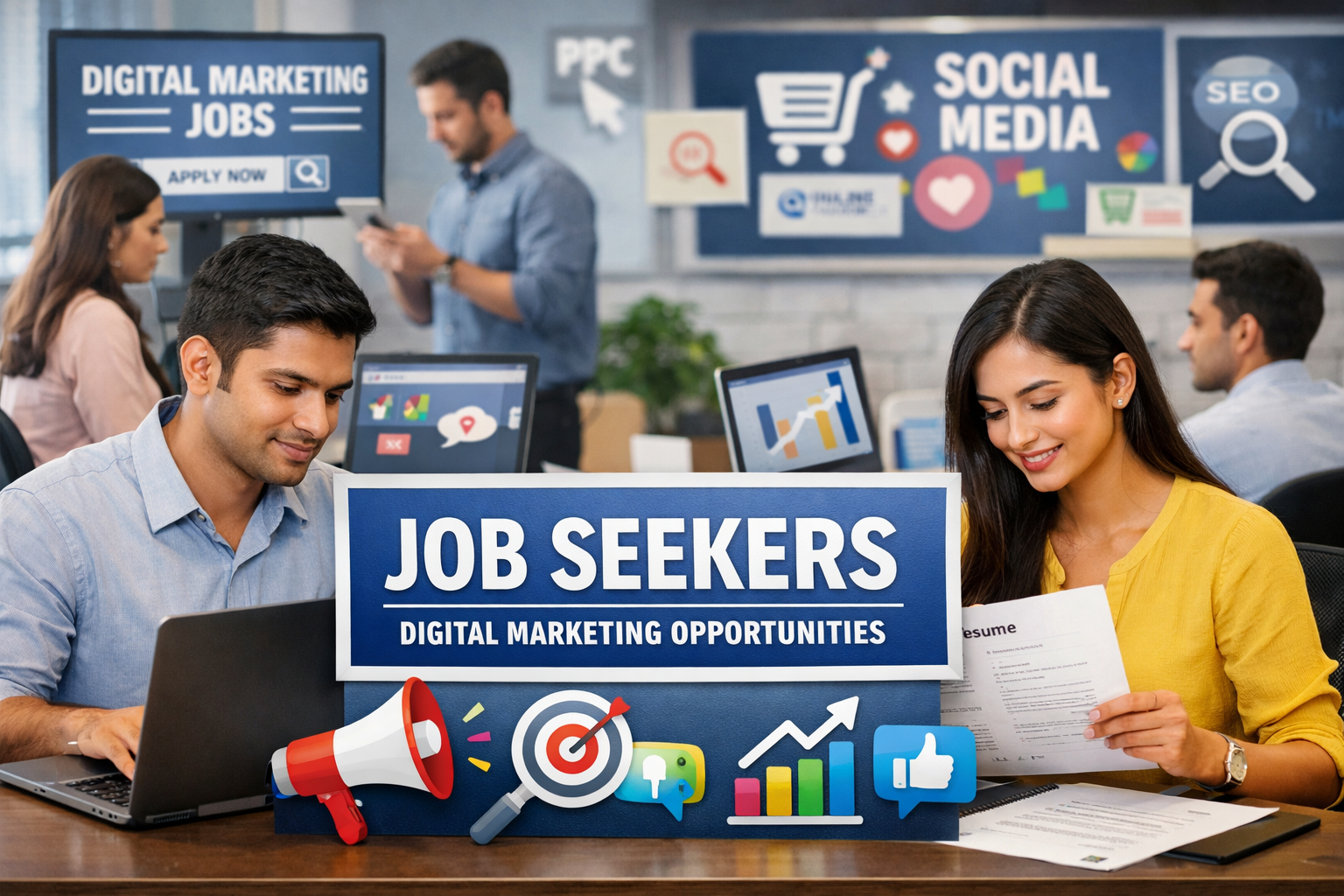
People who are searching for jobs can also greatly benefit from a digital marketing course. In recent years, many industries have started hiring digital marketing professionals to manage their online presence. Companies need experts who can handle tasks such as search engine optimization, online advertising, social media promotion, and website analytics.

For job seekers, learning digital marketing can open doors to multiple industries. Digital marketers are needed in e-commerce companies, marketing agencies, startups, educational institutions, and even government organizations. The demand for skilled digital marketers continues to grow, which means there are many opportunities available.

Another advantage is that digital marketing skills are practical and result-oriented. Instead of only theoretical knowledge, digital marketing courses often include hands-on projects and real-world case studies. This practical experience helps job seekers develop confidence and become ready for professional roles.

job seekers can do digital marketing - who can do digital marketing course

Business Owners and Entrepreneurs

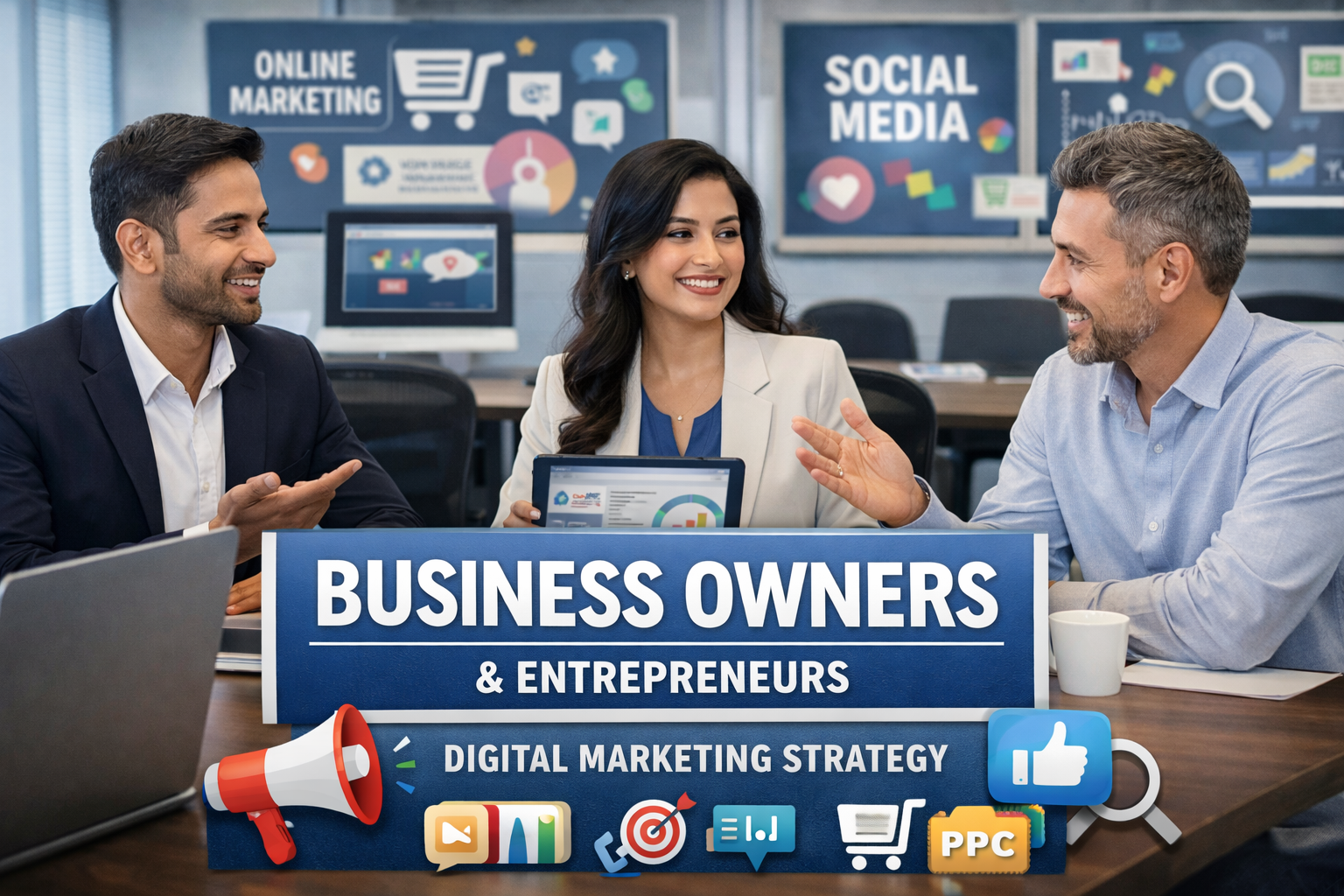
Digital marketing is extremely useful for business owners and entrepreneurs. Traditional marketing methods such as newspaper ads, billboards, and television commercials can be expensive and difficult to measure. In contrast, digital marketing allows businesses to reach targeted audiences at a lower cost.

By learning digital marketing, entrepreneurs can promote their products and services through channels such as social media platforms, search engines, email marketing, and online advertisements. They can also track the performance of their campaigns using analytics tools.

For small businesses and startups, digital marketing can be a powerful growth tool. It allows them to compete with larger companies by using creative strategies and engaging content. Entrepreneurs who understand digital marketing can build strong online brands, attract more customers, and increase their sales.

business owners can run digital marketing - who can do digital marketing course

Working Professionals

Working professionals from different fields can also benefit from learning digital marketing. Professionals in areas such as sales, marketing, public relations, and business management can upgrade their skills by adding digital marketing to their expertise.

Many companies today expect their employees to understand digital platforms and online marketing strategies. By learning digital marketing, professionals can improve their career prospects and stay competitive in the job market. It can also lead to promotions, salary increases, or new job opportunities.

For professionals who want to change their career paths, digital marketing provides a flexible and promising option. With the right training and practice, they can transition into roles such as digital marketing manager, content strategist, or online advertising specialist.

students learning social media marketing - who can do digital marketing course

Freelancers and Content Creators

Freelancers and content creators can also gain significant advantages from a digital marketing course. Bloggers, YouTubers, social media influencers, and independent writers often rely on digital marketing strategies to grow their audience and increase their online visibility.

By learning techniques such as search engine optimization (SEO), social media marketing, and content marketing, creators can attract more followers and improve their engagement. They can also learn how to monetize their content through advertising, affiliate marketing, and brand collaborations.

Freelancers can offer digital marketing services to clients around the world. Many businesses prefer hiring freelancers for tasks such as managing social media accounts, creating marketing campaigns, or optimizing websites. This makes digital marketing an excellent career option for people who prefer flexible work schedules and remote opportunities.

students learning website in laptop- who can do digital marketing course

Housewives and Career Restart Candidates

Digital marketing is also a great opportunity for people who want to restart their careers after a break. Housewives, parents, or individuals who have taken time away from work can learn digital marketing and build new professional opportunities.

One of the biggest advantages of digital marketing is that many roles can be performed remotely. This means people can work from home while managing their personal responsibilities. Freelancing, remote jobs, and part-time projects make digital marketing a flexible career path.

By developing digital marketing skills, individuals can rebuild their professional confidence and create a stable source of income.

students learning digital marketing course – who can do digital marketing course

Fresh Graduates

Fresh graduates who have recently completed their degrees often face challenges when entering the job market because they lack practical experience. A digital marketing course can help them gain industry-relevant skills and improve their employability.

Many training programs include live projects, internships, and certifications that can strengthen a graduate’s resume. With these skills, fresh graduates can apply for entry-level positions such as digital marketing executive, SEO analyst, or social media coordinator.

digital marketing skills for graduation students- who can do digital marketing course

Basic Requirements for a Digital Marketing Course

The best part about digital marketing is that the entry requirements are simple. Most courses only require:

  • Basic knowledge of computers
  • Familiarity with the internet and social media
  • Willingness to learn new tools and strategies
  • Creativity and analytical thinking

Anyone who is interested in learning how online marketing works can start studying digital marketing.

Conclusion

Digital marketing is a versatile and accessible field that welcomes learners from many different backgrounds. Students, job seekers, business owners, working professionals, freelancers, housewives, and fresh graduates can all benefit from learning digital marketing.

As the world becomes more digital, the demand for skilled digital marketers will continue to increase. Learning digital marketing not only improves career opportunities but also provides the ability to promote ideas, businesses, and personal brands effectively in the online world.

In simple terms, if you have an interest in the internet, creativity, and communication, a digital marketing course can be the perfect step toward a successful and future-ready career.


Read Our Other Blogs

Read More
kabir March 11, 2026 0 Comments

Top 10 High-Income Skills for 12th Students and Graduation Students (2026)

 Top 10 High-Income Skills for 12th Students and Graduation Students (2026)


In today’s fast-changing world, a degree alone is not enough to secure a high-paying job. Whether you are a 12th pass student or currently pursuing graduation, developing High-Income Skills for Students can significantly boost your earning potential.

High-Income Skills for Students are abilities that are in strong demand and can generate substantial income either through jobs, freelancing, business, or remote work.

In this blog, we will explore the Top 10 High-Income Skills for Students that students can start learning today and turn into profitable careers in 2026 and beyond.


1. Digital Marketing


 Why It’s High-Income:

Freelancing opportunities worldwide
Work-from-home options
Agency or personal brand building

 What to Learn:

SEO (Search Engine Optimization)
Social Media Marketing
Google Ads & Facebook Ads
Content Marketing

Students can start earning ₹20,000–₹1,00,000+ per month depending on skill level.


  High-Income Skills  for students

 2. Web Development


Web development involves creating websites and web applications.

Why It’s High-Income:

Strong global demand
Remote job opportunities
Freelancing projects

Skills Required:

HTML, CSS, JavaScript
React or Angular
Backend development (Node.js, PHP, etc.)

Developers can earn ₹4–12 LPA as freshers and much more with experience.


3. Data Analysis


Data is the new oil. Companies rely on data analysts to make informed decisions.

 Tools to Learn:

Excel
Python
SQL
Power BI or Tableau

Entry-level salaries range from ₹5–10 LPA in India.

 4. Graphic Designing & Video Editing


With the rise of YouTube, Instagram, and online brands, visual content creators are in high demand.

 Why It’s Profitable:

Freelancing
YouTube editing
Brand collaborations

Tools like Photoshop, Illustrator, Premiere Pro, and Canva can help you start earning quickly.


  High-Income Skills  for students

 5. Artificial Intelligence & Machine Learning


AI is shaping the future. Companies are investing heavily in AI professionals.

 Skills to Learn:

Python
Machine Learning Algorithms
Deep Learning
AI Tools

Freshers in AI roles can earn ₹8–20 LPA depending on skills.


 6. Cybersecurity


With increasing cyber threats, cybersecurity experts are highly valuable.

 Career Scope:

Ethical Hacker
Security Analyst
Network Security Engineer

Salary ranges from ₹6–15 LPA initially.


7. Content Writing & Copywriting

If you have strong English skills, content writing is a great option.

 Why It Pays Well:

Freelancing clients worldwide
Blogging & AdSense
Affiliate marketing

Skilled copywriters can earn ₹50,000–₹2,00,000+ per month.


8. Stock Market & Financial Analysis

Financial knowledge is a powerful high-income skill.

 Learn:

Fundamental & Technical Analysis
Portfolio Management
Risk Management

Careers include Financial Analyst, Trader, or Investment Advisor.


 9. UI/UX Design

UI/UX designers focus on improving user experience for apps and websites.

 Tools:

Figma
Adobe XD
User Research Techniques

Starting salary ranges from ₹5–12 LPA.


10. Communication & Public Speaking


Strong communication skills open doors in every industry.

 Benefits:

Leadership roles
Sales & Marketing careers
Content creation

This skill multiplies income potential in any field.


Read More
kabir February 26, 2026 0 Comments

 Voice Search Optimization: The Future of SEO in 2026

 Voice Search Optimization: The Future of SEO in 2026


The way people search online is rapidly changing. Instead of typing short keywords into search engines, users are now speaking naturally into their smartphones, smart speakers, and virtual assistants. Voice search is no longer a futuristic concept—it has become a daily habit for millions of users worldwide. With the rise of devices powered by Google ,Amazon  (Alexa), and  Apple  (Siri), voice search optimization has become one of the most important aspects of modern SEO.

In 2026, businesses that fail to optimize for voice search risk losing visibility, traffic, and potential customers. This blog explores what voice search optimization is, why it matters, and how you can prepare your website for the future of SEO.


What is Voice Search Optimization?

Voice Search Optimization (VSO) is the process of optimizing your website and content to rank higher in voice search results. Unlike traditional text-based searches, voice queries are usually longer, more conversational, and often framed as questions.

For example:

Text search: “best digital marketing course Varanasi”
Voice search: “What is the best digital marketing course in Varanasi for beginners?”

Notice the difference? Voice searches sound like natural conversations. That is why SEO strategies must adapt to this shift in user behavior.


 Why Voice Search is Growing Rapidly

Several factors are driving the growth of voice search:

 1. Increase in Smartphone Usage

Almost everyone now owns a smartphone with built-in voice assistants.

 2. Rise of Smart Speakers

Devices like Amazon Echo and  Google Nest  have become common in homes.

3. Faster Internet Speeds

With 4G and 5G connectivity, voice queries are processed instantly.

4. Convenience

Speaking is faster than typing. Users prefer voice search while driving, cooking, or multitasking.

As digital marketing evolves, understanding user intent through voice search becomes essential for SEO success.


How Voice Search is Different from Traditional SEO

Voice search changes the way search engines interpret queries. Here are the key differences:

1. Conversational Keywords

Voice searches are more natural and conversational.

Instead of targeting:

“SEO tips 2026”

You should target:

“What are the best SEO tips for 2026?”

2. Question-Based Queries

Most voice searches begin with:

What
How
Where
When
Why
Who

 3. Focus on Featured Snippets

Voice assistants often read answers directly from featured snippets (Position Zero on Google). If your content appears there, you dominate voice results.

 4. Local Search Dominance

Many voice searches are local, such as:

“Best restaurant near me”
“Digital marketing institute near me”

Local SEO and Google Business Profile optimization are crucial.


 Key Strategies for Voice Search Optimization

Now let’s understand how you can optimize your website for voice search in 2026.

 1. Target Long-Tail Keywords

Voice queries are longer. Use long-tail, conversational keywords in your content.

Instead of:

“digital marketing agency”

Use:

“Which is the best digital marketing agency for small businesses?”

Tools like keyword planners and search suggestions help identify question-based keywords.


2. Optimize for Featured Snippets

To rank for voice search, structure your content clearly:

Use question-based headings (H2, H3)
Provide short, direct answers (40–60 words)
Use bullet points and numbered lists

Google prefers structured content for voice responses.


3. Improve Website Speed

Voice users expect instant answers. A slow website reduces your ranking chances.

Use fast hosting
Compress images
Minimize code
Enable caching

Page speed is a ranking factor and even more critical for voice SEO.


4. Focus on Mobile Optimization

Most voice searches happen on mobile devices. Your website must be:

Mobile responsive
Easy to navigate
Fast loading

A mobile-friendly design improves both user experience and rankings.


5. Strengthen Local SEO

Voice searches are often location-based. To optimize for local voice search:

Create and optimize your Google Business Profile
Add accurate Name, Address, Phone Number (NAP)
Use location-based keywords
Encourage customer reviews

For example, if you run a business in Varanasi, target phrases like:

“Best digital marketing institute in Varanasi”


 6. Use Structured Data (Schema Markup)

Schema markup helps search engines understand your content better. It increases the chances of appearing in rich results and voice responses.

You can add:

FAQ Schema
Local Business Schema
Product Schema

Structured data improves visibility significantly.


 7. Create FAQ Pages

FAQ pages are powerful for voice search optimization because they match conversational queries.

Example:

Q: What is voice search optimization?
A: Voice search optimization is the process of improving website content to rank for voice-based queries.

This format directly matches how users speak.


 The Role of AI in Voice Search

Artificial Intelligence plays a major role in voice search. Search engines now understand context, intent, and semantics better than ever.

Google’s algorithms analyze:

User intent
Location
Search history
Natural language patterns

That’s why content quality and relevance matter more than keyword stuffing.

AI-driven search means your content should be helpful, clear, and user-focused.


 Benefits of Voice Search Optimization

Here’s why businesses should invest in voice SEO:

 1. Higher Visibility

Ranking in voice results increases brand exposure.

2. Competitive Advantage

Many businesses still ignore voice SEO. Early adoption gives you an edge.

 3. Better User Experience

Voice-friendly content is clear and structured, improving readability.

 4. Increased Local Traffic

Local businesses benefit greatly from voice-based searches.


 Future of Voice Search in SEO

Voice search will continue growing as AI assistants become smarter. In the future:

More searches will be voice-based
Conversational AI will dominate search
Zero-click searches will increase
Local and personalized search results will expand

SEO strategies must shift from keyword-based optimization to intent-based optimization.

Content should focus on answering real questions in a simple and natural way.


Read More
kabir February 24, 2026 0 Comments