
How to Start an Online Business with Low Investment

How to Start an Online Business with Low Investment
Starting an Low Investment Online business has become one of the most affordable ways to make money and also to move toward financial independence. Compared with the usual brick-and-mortar type of business, which often wants a bunch of money up front, for things like rent, inventory and staff, an online venture can usually be started with very little to spend. And since the internet exists, entrepreneurs can reach customers across the entire world, give out products or services, and then build a profitable business from the comfort of home, kind of steadily.
So if you want to start an online business but your budget is limited, this guide will take you through the key steps you need to get going.
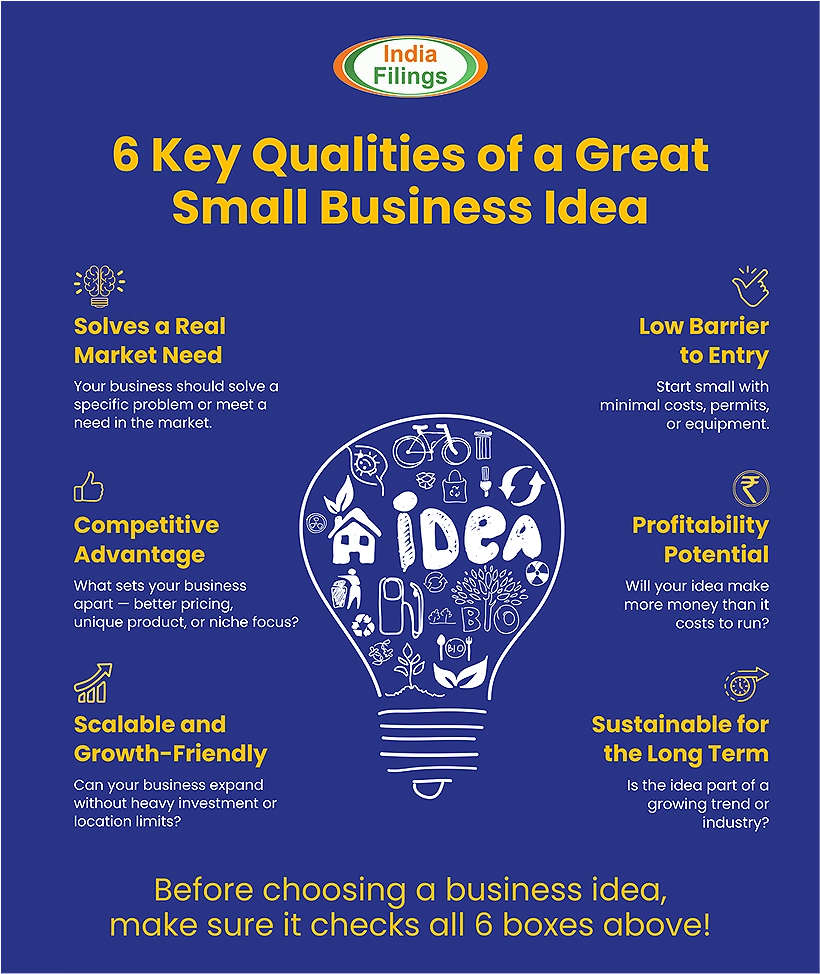
1. Choose a Profitable Business Idea
First step: picking a business idea that sort of matches your skills, your interests, and also the market demand. You can browse low-investment online business ideas like freelancing (writing, graphic design, or web development) or blogging; it can grow slowly but steadily, you know. Also, affiliate marketing, social media management, and online tutoring—these are pretty common, but they can still work if you stay consistent.
After that, there’s dropshipping, print-on-demand products, digital product sales, and virtual assistant services too, though the “angle” really matters here. Try to select a niche where there is enough demand and where there are clear openings for expansion, not just short-term buzz or attention.
2. Conduct Market Research
Before you launch your business, I think it’s kind of important to get a feel for your target audience and your competitors. Like, you wanna understand them, not just on paper or in some tidy spreadsheet. Research really helps you spot what people actually need, what market trends are doing, and also where there are openings or these kinds of blank spaces your business can step into quietly.
Try asking yourself, kind of honestly, even if the answers are a little awkward:
Who are my best-fit customers, really?
What problems can I realistically handle for them?
What are my competitors providing day to day?
How do I deliver more value for the money and not just “say” it and move on?
You can use things like Google Trends, plus social media platforms and online forums, to collect these market signals that are actually useful, not just noise.
3. Create a Business Plan
A low-investment online business plan kind of gives you a route and also keeps you from drifting away from your core goals, you know. Honestly, it doesn’t have to be all that complicated either. A simple business plan, most of the time, only needs a few key pieces, like:
– Business objectives
– Target audience
– Products or services
– Marketing strategy
– Revenue model
– Budget and expenses
Once you have something clear to steer by, your chances of success go up. And on top of that, it makes it easier to choose the right moves instead of just guessing, step by step, day after day.
4. Build Your Online Presence
Your online presence kind of acts like the base, or the backbone, of your business. Depending on the style of business model you use , you can set up a website or a blog, some social profiles, an online store, or even a professional portfolio, kind of like a business card but on the internet.
Using platforms like WordPress, Shopify, and other website builders makes it easier to put together a site that looks professional without needing too much advanced technical know-how. In other words, it’s fewer headaches and more momentum.
Basically, a website helps you build credibility, and it also lets possible customers figure out more about what you sell or the services you provide.

5. Use Free and Low-Cost Tools
One of the biggest advantages of starting an online business today is that there are affordable tools around, like you know. A lot of platforms have free plans, and they are kind of ideal for beginners who are still figuring things out in a very casual way.
Some useful tools would be something like
Canva for graphic design
Google Workspace for everyday productivity
WordPress for building your site
Trello for project management stuff
Mailchimp, or Brevo for email marketing
Zoom for live online meetings
If you end up using these tools, you can reduce startup costs without losing all of that professional feel, honestly, and it still looks legit.
6. Focus on Content Marketing
Content marketing is, kind of, one of the most cost-effective routes to pull in customers. If you keep putting out helpful content , you can sort of quietly set yourself up as an expert and build confidence with your audience even if it’s not instant or “right now”.
Some common types of content are, for instance:
Blog posts
Videos
Social media updates
Infographics
Email newsletters
If your content actually works by solving real problems or it answers the usual questions, people are more likely to engage with your business and later turn into customers.
7. Leverage Social Media
Social media platforms kind of give you free access to, basically, a huge pile of potential customers. Stuff like Facebook, Instagram, LinkedIn, X, and Pinterest can help you get the word out about your business without throwing a tonne of money into ads or paid promotions.
A few tips if you want this to actually work and not just “show up”:
– Post consistently, even if it’s only small updates
– Share useful, and practical information
– Talk with your followers and respond; don’t just let conversations sit there
– Use hashtags that match what you’re posting
– Jump into online communities where your audience already hangs out
When you build a lively social media presence, it can boost brand awareness quite a lot and also help customers interact with you back.
8. Start with a Small Budget
A lot of entrepreneurs end up doing that same move, blowing through way too much cash right at the very beginning; it sort of feels like everything is urgent. But rather than rushing in, try starting small and only pushing money into what’s truly needed, the really necessary spots.
Do pay attention to stuff like website hosting, domain registration, basic marketing, and the basic or necessary software tools.
After that, once your business is actually taking off and you can see revenue coming in, you can gradually drop more investment toward advanced tools, heavier advertising, and other extra services.
9. Offer Excellent Customer Service
Customer satisfaction kind of really matters, a lot, for the success of any Low Investment online business. When people feel good about how things went, they’re usually more likely to purchase again and they might also recommend your brand to other folks too
If you want to provide great customer service, try something like this, rather than overthinking it:
– Reply to questions quickly, even when they come in a bit messy
– Keep a professional tone, yet still be warm and approachable
– Solve the issue in an efficient manner, without dragging it out
– Check back with customers after it’s resolved, just to be sure everything is alright
In general, positive customer interactions can help you build a strong reputation and back long-term growth that feels steadier, instead of up and down
10. Monitor and Improve Performance
Successful business owners don’t really sit still; they’re quietly scanning and then nudging their plan here and there. They keep watch on the main signals, like:
Website traffic, sales performance
Conversion rates
Social media engagement
Customer feedback
If you check these things on a steady basis, you’ll start to see what’s landing and what’s kind of drifting, and then you can make the next round better. Even small refinements, done consistently, can stack up into noticeably more momentum over time.
Conclusion
Starting an online business with low investment is more achievable than ever before. If you go for a solid business idea, do careful planning, and use digital tools the right way, almost anyone can build a thriving online venture without having to spend a huge amount of money. Just keep your focus on what customers really need, craft useful content, and make good use of social media, then keep tweaking your approach as you learn. Over time, this could turn into a profitable setup and also create long-term chances for consistent growth and success.
