How Artificial Intelligence Is Changing Everyday Life

How Artificial Intelligence Is Changing Everyday Life
Artificial intelligence (AI) is not some futuristic idea seen in science fiction movies. Today, AI is a part of our everyday lives, helping people get their work done faster, make better decisions, and have more tailored experiences. AI is changing how we live, work and interact with technology — from smartphones and smart home devices to online shopping and healthcare. Artificial Intelligence in Everyday Life
What Is Artificial Intelligence?
Artificial intelligence is the ability of machines and computer systems to perform tasks that usually require human intelligence. They are learning from data, pattern recognition, language understanding, problem-solving and decision-making. AI technologies are based on algorithms and large data sets that allow them to improve their performance over time.
A lot of people use AI on a daily basis without realising it. We now expect to encounter artificial intelligence (AI) technologies, such as virtual assistants, recommendation engines, navigation apps, and customer service chatbots.
AI in Smartphones and Personal Devices
One of the most common places AI is used is on smartphones. Voice assistants like Siri and Google Assistant allow users to set reminders, send messages, look up information online, and control smart devices—all with a simple voice command. AI also enhances the cameras in smartphones, automatically adjusting settings, recognising faces and improving image quality.
Predictive text and autocorrect AI can learn how you write and suggest the right words or fix your mistakes. These features help millions of users worldwide save time and communicate more easily.
Smarter Online Shopping Experiences
AI has changed the way people shop online. E-commerce sites use AI algorithms to study customer behaviour, preferences and purchasing history. They suggest, therefore, products that users are more likely to buy.
For example, if you are browsing products in an online shop, the AI will remember your interests and make personalised recommendations for you. This makes shopping more convenient and helps customers find products that meet their needs. AI chatbots also help shoppers with questions, product info and tracking orders.
AI in Transportation and Navigation
Today’s transport systems are using AI basically everywhere. For instance, apps like Google Maps lean on AI to look at traffic flow, road closures and travel patterns in real time, which helps people figure out the quickest path. You can then avoid the usual traffic jam situations, even if things change mid-journey.
In a similar way, ride-sharing services use AI to match riders with drivers, guess arrival timing and refine the travel path. Beyond that, AI is also heavily involved in the whole self-driving vehicles push; these machines could end up boosting road safety while also reducing mistakes caused by people, or well … at least that is the hope.
Transforming Healthcare Services
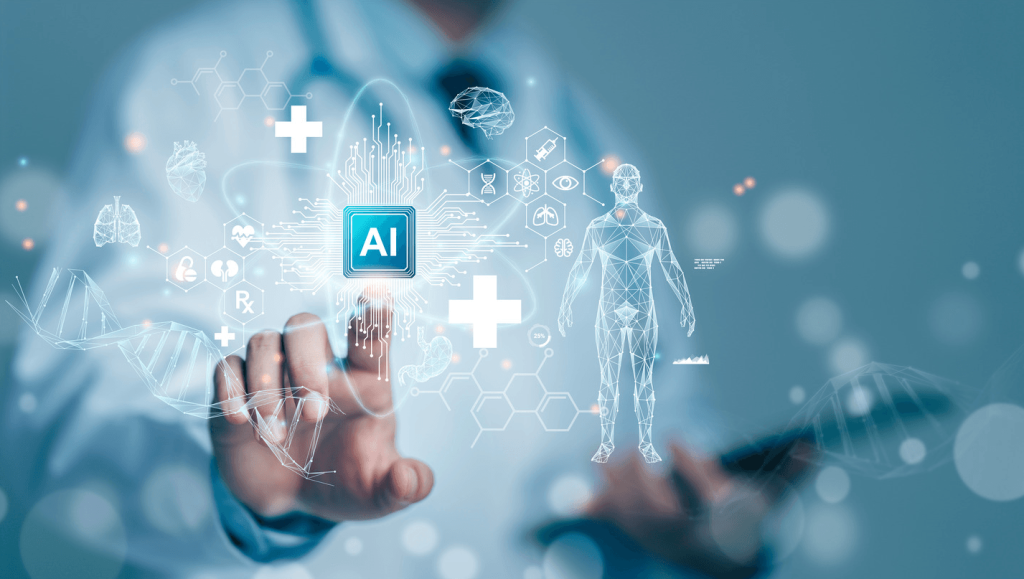
Healthcare is one of those industries that seems to gain the most from AI tech, somehow. AI systems can examine medical data, assist doctors with diagnosing diseases, and even propose treatment alternatives, so at the end it helps healthcare staff make decisions that are more precise and also more on time.
Wearable devices, like fitness trackers and smartwatches, rely on AI to keep an eye on heart rate, sleep patterns, physical activity, and overall wellness too. In a way these gadgets nudge folks toward healthier routines and keep users informed about their well-being constantly.
AI also backs medical research because it can comb through huge datasets and single out repeat signals that might help scientists design new therapies and medicines in a more efficient manner.
Personalized Entertainment and Media
The entertainment industry kind of leans on AI to give people more tailored experiences, not in a static way, more like it learns as you go. Streaming services then point you toward movies, TV series, and songs based on how you watch and what you listen to, and it ends up feeling less like going on a scavenger hunt through thousands of options. Rather than searching and comparing for ages, you get suggestions that line up with your tastes in a pretty straight, if a little uncanny, way.
Also, social media platforms lean heavily on AI to sort of shape the news feed, come up with content ideas, and generally nudge engagement upward. Artificial intelligence in everyday life, helps people surface what’s actually relevant, but at the same time it enables companies to push more focused material, including ads that feel oddly targeted.
Smart Homes and Daily Convenience
Smart home tech has been getting more and more popular, mostly because AI sort of learns what people want, or at least it tries. You know, stuff like smart speakers, thermostat controls, lighting arrangements, and even security cameras can track habits and then handle everyday routines for you, pretty much in the background.
Like, for example, a smart thermostat can nudge the room temperature based on the daily timetable it learns over time, while an AI-enabled security system can catch unusual behaviour and then send a quick ping to homeowners right away. Overall, these tools usually improve comfort and make life easier, and they can also help with energy efficiency without you needing to stand over everything all the time.
AI in Education
Education is still one more area where AI is really making waves, and honestly it feels like it keeps getting larger and larger. With AI-powered learning platforms, the content can be adapted, kind of personalised, based on a student’s learning preference along with where they are in their progress. So the students can move at their own pace and get help where they need the most refinement, not only those generic lessons that are basically for everyone.
There are also virtual tutors, along with intelligent educational tools that provide instant feedback. That part makes it easier for students to lock in on the concepts more clearly, sometimes right away, not after a long delay. And on top of that, teachers can lean on AI to handle administrative busywork, and as a result they end up with more time to teach, even if they still remain the guide in the classroom.
Challenges and Concerns
Despite its many benefits, AI also brings some headaches, kind of a mixed bag. Privacy and data security are big deal concerns because AI systems often depend on enormous amounts of personal information, and sometimes it feels unclear who is actually looking at what or where that data ends up. There are also worries about job displacement since automation keeps swapping out certain repetitive tasks, and in some areas that transition is pretty fast as well.
Plus, ensuring AI systems are fair, transparent, and rid of bias is an ongoing skirmish. It’s not really a one-time fix, because there’s always that chance of concealed patterns sneaking in. Governments, organisations, and technology experts are working side by side, trying to craft ethical guidelines and even regulations for responsible AI usage so the whole thing doesn’t go off the rails and nobody gets caught off guard later.
The Future of AI
Artificial intelligence is going to keep moving forward and kind of get tangled even more into day-to-day life, like it’s already doing now. In the future, AI applications might improve healthcare, education, commuting, conversations, and also a whole lot of other sectors. As the tech keeps advancing, AI is also likely to create brand-new opportunities while also helping to untangle complicated global issues. Artificial intelligence (AI) is not some futuristic idea seen in science fiction movies. Today, AI is a part of our everyday lives, helping people get their work done faster, make better decisions, and have more tailored experiences.Artificial Intelligence in Everyday Life
Conclusion
Artificial intelligence is sort of reshaping everyday life in ways that were not so long ago imaginable—just a few decades earlier. It assists people with navigating traffic, shopping online, monitoring health, picking up new skills, or even unwinding with tailored entertainment. In a way AI has become part of the daily routine for the modern world, and honestly it feels normal now. Sure, there are still some hurdles, but the bright sides of AI are hard to ignore. If society uses AI responsibly, with ethics kept front and centre, then we can keep gaining from it and drift toward a smarter, more efficient future.